identification guide bulb flowers identification
Summary
Struggling to name that gorgeous bulb flower? Our easy-to-use identification guide helps you discover stunning blooms with confidence! Get identifying now!
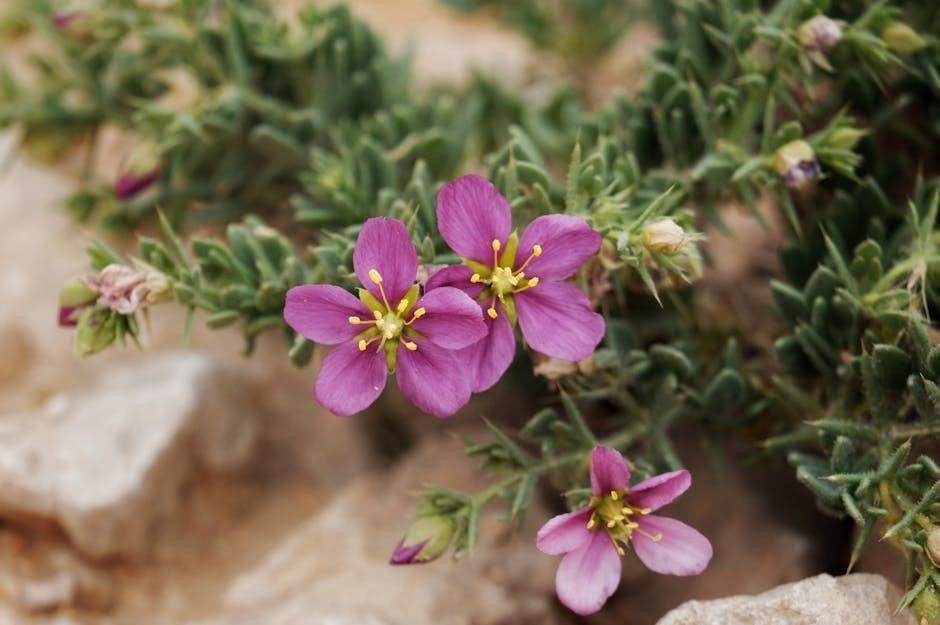
Delving into the world of bulb flowers requires a keen eye for detail! This guide assists in recognizing various species, from tulips to daffodils, using leaf and bloom characteristics.
What are Flower Bulbs?
Flower bulbs are fascinating underground storage structures, essentially plant “packages” containing everything needed to sprout and bloom. These aren’t roots, but modified leaves! Within a bulb’s layers reside a central shoot, immature flowers, and essential nutrients.
True bulbs, like tulips and daffodils, possess a papery outer tunic. However, it’s crucial to differentiate them from corms, rhizomes, and tubers – all underground storage organs, but structurally distinct. Understanding this difference is key for proper identification and care, as each type has unique characteristics impacting growth and flowering. Recognizing these structures unlocks a deeper appreciation for these botanical wonders.
Why Identify Bulb Flowers?
Accurate bulb flower identification unlocks a world of gardening benefits! Knowing your plants allows for tailored care – proper fertilization, watering, and bloom-time expectations. It also helps diagnose potential problems, like diseases or pest infestations, early on.
Furthermore, identification prevents accidental damage during gardening tasks. Remembering what you planted, especially after a dormant winter, becomes easier with leaf recognition. Plus, understanding bloom sequences enhances garden design and extends the flowering season. Forgetting what’s planted can lead to unwanted surprises, so a little knowledge goes a long way!
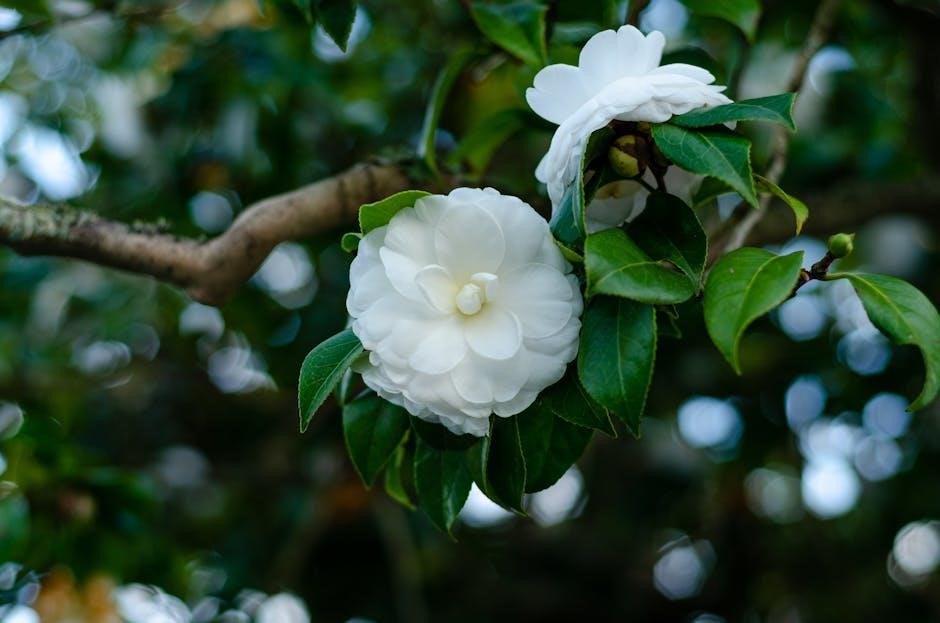
Understanding Bulb Structures
Bulbs, corms, rhizomes, and tubers differ structurally! True bulbs have layered leaves and a central shoot, crucial for post-bloom energy storage and future flowering.
True Bulbs vs. Corms, Rhizomes, and Tubers
Distinguishing between these underground storage structures is vital for accurate identification. True bulbs, like tulips and daffodils, possess layers of fleshy scales surrounding a central bud. Corms, such as gladiolus, are solid, stem-like structures covered in a papery tunic – lacking those distinct layers. Rhizomes, found in irises, are horizontal underground stems that send out roots and shoots from nodes. Finally, tubers, like those of some lilies, are swollen underground stems with ‘eyes’ that sprout.
A core looks similar to a bulb but it doesn’t have leaves!
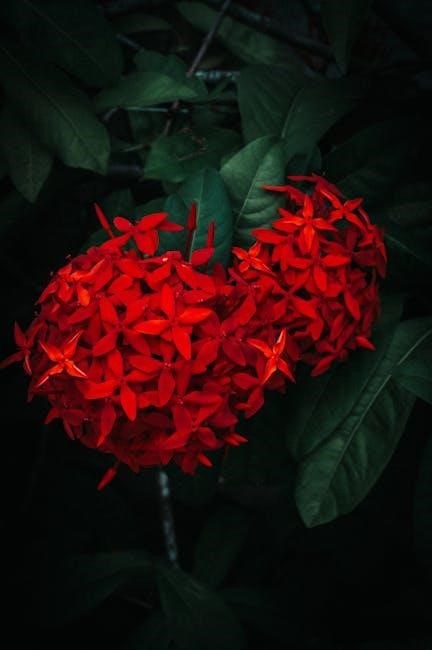
Layers of a True Bulb
A true bulb’s internal structure is key to its survival and identification. Inside, a central shoot holds layers of modified leaves, also known as scales, which store food for the plant. These scales protect immature flowers, ensuring future blooms. After flowering, this central shoot forms, relying on the energy stored within these layers.
It’s crucial to allow the leaves to remain green and naturally die back, replenishing the bulb’s reserves for the following season. This process is vital for continued flowering!
The Role of Leaves in Bulb Identification
Bulb leaves offer crucial clues for plant identification, especially before flowers appear. Observing leaf shape – linear, grass-like, or broad – narrows down possibilities. Forgetting what you planted? Leaf characteristics become your guide! Different species exhibit distinct leaf arrangements and textures.
Consider the leaves’ width, length, and whether they emerge directly from the bulb or have a basal rosette. Recognizing these features, alongside bloom timing, significantly aids in accurately identifying your spring-blooming bulbs.
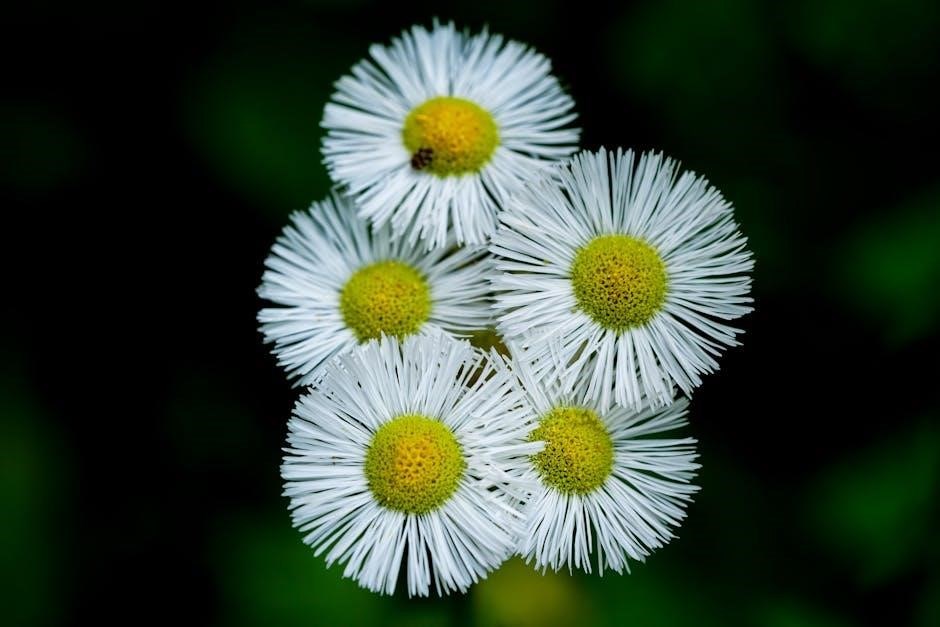
Common Spring-Blooming Bulb Flowers
Explore popular choices like tulips, daffodils, and crocuses! Understanding their unique leaf and flower traits is key to successful spring garden identification.
Tulips: Varieties and Identification
Tulips boast incredible diversity, ranging from single early varieties to flamboyant parrot tulips! Identifying them begins with observing leaf shape – typically linear and broadly shaped. Flower forms vary dramatically; some are classic cup-shaped, while others exhibit fringed, lily-flowered, or double petals. Color palettes are equally expansive, encompassing vibrant reds, yellows, pinks, purples, and even bi-colored combinations.
Consider bloom time; early tulips flower before mid-season types. A son’s planted rainbow of tulips offers a delightful learning opportunity! Careful observation of these characteristics will unlock the secrets of tulip identification within your garden.
Tulip Leaf Characteristics
Tulip leaves are generally described as linear or strap-shaped, offering a crucial identification clue. They emerge directly from the bulb, often displaying a grayish-green hue. The leaves typically have a waxy coating and parallel veins running lengthwise. Some varieties exhibit mottled or streaked patterns on their foliage, adding to their unique appearance.
The leaf shape can subtly vary between tulip cultivars, but the overall form remains consistent. Observing the leaf base – whether it’s rounded or tapered – can further refine identification. Healthy tulip leaves are firm and upright, providing a beautiful backdrop for the blooms.
Tulip Flower Shapes and Colors
Tulips boast an astonishing diversity in flower shapes and colors, making identification both exciting and challenging. Classic tulip forms include single, double, fringed, parrot, and lily-flowered types, each with distinct petal arrangements. Colors span the spectrum – vibrant reds, cheerful yellows, delicate pinks, pristine whites, and even bi-colored variations.
The shape of the flower, coupled with its color, provides key identifiers. Parrot tulips, for instance, exhibit ruffled and twisted petals, while lily-flowered tulips have elegantly pointed petals. Observing these details is crucial for accurate classification.
Daffodils (Narcissus): A Comprehensive Guide
Daffodils, members of the Narcissus genus, are beloved spring bloomers offering a wide range of forms. Identifying daffodils involves observing the central corona, or trumpet, alongside petal shape and color. Trumpet size and shape vary greatly – long and flared, short and cup-shaped, or even absent in some varieties.
Flower colors typically range from white and yellow to orange and pink, with some displaying multiple hues. Understanding these variations, alongside leaf morphology, is essential for accurate daffodil identification in the garden.
Daffodil Leaf Morphology
Daffodil leaves are typically long, narrow, and strap-like, emerging directly from the bulb’s base. They exhibit a characteristic grass-like appearance, often displaying a slightly bluish-green hue. Leaves usually appear in pairs, sheathing the stem near the base. Their texture is generally smooth, though some varieties may have slightly waxy surfaces.
The leaves’ length and width can vary depending on the daffodil type, but they consistently provide a crucial identification feature. Observing leaf shape and color, alongside flower characteristics, aids in pinpointing specific daffodil cultivars.
Identifying Different Daffodil Types
Daffodils boast incredible diversity, categorized into divisions based on flower form. Trumpet daffodils feature a long, prominent central trumpet, while large-cupped daffodils have a shorter cup, no more than one-third the length of the petals. Small-cupped daffodils exhibit even smaller cups, and double daffodils display multiple layers of petals.
Cyclamineus daffodils have swept-back petals, and split-corona daffodils showcase uniquely divided cups; Identifying daffodils relies on observing these floral characteristics, alongside leaf morphology, to accurately determine the specific type;
Crocus: Early Spring Bloomers
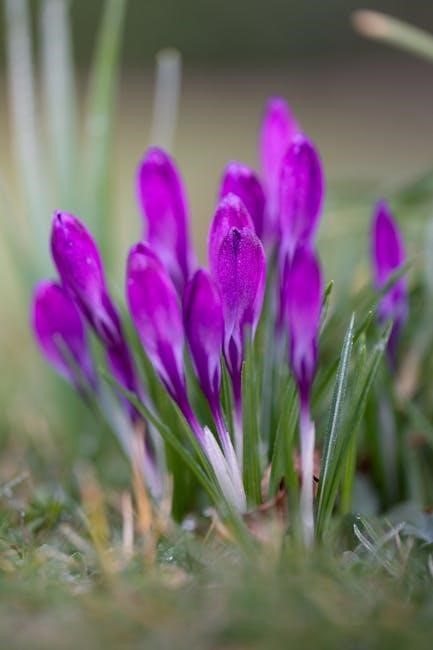
Crocus are among the first flowers to herald spring, often appearing while snow still lingers. These low-growing bulbs produce cup-shaped flowers in shades of purple, yellow, white, and striped combinations. Distinguishing features include their grass-like leaves, which emerge alongside or shortly after the blooms.
Careful observation of color variations and subtle differences in flower shape aids in identifying specific Crocus species. They are often confused with Puschkinia, but bloom earlier and have distinct leaf characteristics.
Crocus Leaf and Flower Distinctions
Crocus leaves are typically grass-like, narrow, and emerge with or shortly after the flower buds. Their flowers are distinctly cup-shaped, presenting a range of colors – most commonly purple, yellow, or white. A key distinction lies in the often-present darker markings or veining within the petals.
Observe the flower’s throat; some species exhibit contrasting colors. Comparing leaf width and flower size relative to other early bloomers, like Puschkinia, is crucial for accurate identification.
Color Variations in Crocus
Crocus displays a remarkable spectrum of colors, extending beyond the familiar purple and yellow. White varieties, sometimes with delicate lilac veining, are frequently encountered. Striped or bi-colored forms, showcasing combinations of purple, white, and yellow, add to the diversity. The intensity of color can also vary significantly, influenced by factors like sunlight exposure and soil composition.
Notably, some species exhibit color changes as they mature, shifting from paler hues to more vibrant shades. Careful observation of these nuances aids in precise identification.
Less Common, But Recognizable Bulb Flowers
Beyond popular choices, several bulb flowers offer unique charm. Hyacinths, Scilla, and Puschkinia present distinctive features for identification, enriching spring gardens.
Hyacinths: Fragrant and Colorful
Hyacinths are renowned for their intense fragrance and dense flower spikes. Identifying them begins with observing their broad leaves, emerging directly from the bulb, often with a slightly wavy margin. These leaves are a key characteristic, setting them apart from grass-like foliage.
The flower cluster is tightly packed, cylindrical in shape, and comes in a wide array of colors – including blue, pink, purple, white, and yellow. Each individual flower is bell-shaped, contributing to the overall dense appearance.
Pay attention to the overall structure; the compact, upright flower spike is a defining feature of hyacinths, making them easily recognizable in the spring garden.
Hyacinth Leaf Appearance
Hyacinth leaves are a crucial identifier, emerging directly from the bulb itself. They are characterized by their broad, strap-like shape, distinctly different from the grass-like foliage of daffodils or the narrower leaves of tulips. Typically, these leaves exhibit a smooth texture and a vibrant green hue, though some varieties may display subtle variegation.
A notable feature is the slightly wavy or undulated margin along the leaf edges, adding to their unique appearance. The leaves clasp the stem tightly at the base, providing strong support for the developing flower spike. Observing these characteristics will aid in positive identification.
Hyacinth Flower Cluster Identification
Hyacinths are renowned for their dense, upright flower clusters, a defining characteristic for identification. These clusters, known as racemes, are tightly packed with numerous, bell-shaped florets. The flowers bloom progressively from the bottom to the top of the spike, creating a visually stunning display.
Hyacinth flower clusters are typically quite heavy, often requiring support to prevent them from flopping over. The fragrance is powerfully sweet and distinctive, further aiding identification. Observing the cluster’s shape, density, and bloom progression is key to recognizing hyacinths.
Scilla (Bluebells): Delicate and Charming
Scilla, commonly known as bluebells, presents a delightful addition to spring gardens with its delicate, nodding flowers. These charming bulbs are easily recognized by their vibrant blue, bell-shaped blossoms, though white and pink varieties exist. Scilla typically grows to a modest height, forming attractive clumps.
Distinguishing Scilla from similar blue flowers is crucial. Careful observation of leaf shape and flower structure will help. Scilla often naturalizes readily, creating expanding colonies of these lovely blooms, adding a touch of whimsy to woodland settings.
Scilla Leaf Shape
Scilla leaves are typically basal, meaning they emerge directly from the bulb and grow close to the ground. They exhibit a linear to lanceolate shape, often described as narrow and grass-like, though broader than many true grasses. The leaves are usually a vibrant green color, providing a lovely contrast to the delicate blue flowers.
These leaves often appear in the fall and persist throughout the winter, remaining green even during colder months. Observing the leaf shape is a key step in identifying Scilla, especially before the flowers bloom, aiding in accurate bulb flower recognition.
Distinguishing Scilla from other Blue Flowers
Differentiating Scilla from similar blue-flowered plants requires careful observation. While many blue flowers exist, Scilla’s diminutive size and delicate, bell-shaped blooms are distinctive. Compared to larger bluebells (Hyacinthoides), Scilla is much smaller in stature.
Puschkinia, another spring bloomer, also features blue flowers, but Scilla’s blooms typically have outward-facing petals with a subtle stripe. Examining the leaf shape alongside the flower structure is crucial for accurate identification, ensuring you correctly categorize this charming spring beauty.
Puschkinia: A Subtle Spring Beauty
Puschkinia, often overlooked, presents a delicate charm in the spring garden. These bulbs produce clusters of pale blue, bell-shaped flowers, often with a subtle stripe along each petal. They bloom alongside Scilla, sometimes causing confusion, but possess unique characteristics.
Puschkinia’s leaves are typically narrower and more grass-like than Scilla’s, appearing before the flowers emerge. Observing both the leaf shape and the flower’s subtle markings aids in positive identification, revealing this understated yet captivating spring bloomer.
Puschkinia Leaf Characteristics
Puschkinia leaves are a key identifier for this subtle spring bulb. Typically, they emerge before the flowering stems, presenting a basal rosette of linear, grass-like foliage. These leaves are noticeably narrower compared to those of similar-looking plants like Scilla, a crucial distinction.
The foliage is a muted green, often with a slightly keeled or grooved appearance along the length of the leaf. Observing the leaf shape and texture, alongside the timing of emergence, provides valuable clues for accurate Puschkinia identification in the garden.
Puschkinia Flower Structure
Puschkinia flowers are delicate and uniquely structured, aiding in their identification. They are typically pale blue to lilac, though white varieties exist, and are arranged in a loose raceme – a stem with individual flowers along its length. Each flower possesses six tepals (petal-like segments), with darker markings near the base.
These markings often appear as a darker blue stripe on each tepal, adding to the flower’s subtle charm. The flowers are relatively small and hang downwards, creating a graceful display. Observing this structure confirms a Puschkinia bloom.
Identifying Bulbs by Leaf Shape
Leaf shape is a crucial identification tool! Bulbs exhibit diverse leaf forms – linear, grass-like, or broad – offering valuable clues to their species.
Linear Leaves (e.g., Tulips)
Tulips are readily identified by their long, slender, and typically grey-green linear leaves. These leaves emerge directly from the bulb and often have a slightly waxy coating. They grow upwards, creating a blade-like appearance, and frequently display parallel veins running along their length. Observing the leaf base can also be helpful; tulip leaves often clasp the stem.
It’s important to note that the leaves may appear slightly different depending on the tulip variety, but the overall linear shape remains consistent. Distinguishing them from similar plants relies on this elongated form and the smooth texture of the foliage. Remember to consider the timing of emergence, as tulip leaves appear in the fall or early spring.
Grass-like Leaves (e.g., Daffodils)
Daffodils are characterized by their narrow, strap-shaped leaves that closely resemble blades of grass. These leaves are typically a deep green color and emerge from the bulb in the fall or early spring, often alongside the flower stalk. They have a distinct, slightly rounded base and a smooth texture. Unlike some other bulb foliage, daffodil leaves are generally quite resilient and less prone to damage.
The grass-like appearance is a key identifier, but observing the leaf’s overall structure and color can further confirm the plant’s identity. Pay attention to how the leaves arch and curve, contributing to the daffodil’s characteristic form.
Broad Leaves (e.g., Hyacinths)
Hyacinths distinguish themselves with noticeably broad, lance-shaped leaves. These leaves are significantly wider than those of daffodils or tulips, creating a lush, substantial base for the flower stalk. Typically a vibrant, glossy green, they emerge from the bulb in the fall and persist throughout the flowering period. The leaves often have a slightly wavy or ruffled edge, adding to their distinctive appearance.
Their substantial size and shape are crucial identification features. Observing the leaf’s texture and how it supports the dense flower cluster will aid in confirming a hyacinth’s presence.
Flower Shape and Color as Identification Clues
Distinctive flower forms—cup-shaped, bell-shaped, or star-shaped—coupled with vibrant colors, offer key insights! These visual cues are essential for accurate bulb flower identification.
Cup-Shaped Flowers
Many beloved bulb flowers proudly display a classic cup-shaped bloom, but subtle differences aid identification. Tulips are prime examples, exhibiting a wide array of colors and petal forms within this shape – some fully open, others more pointed. Daffodils, too, frequently present cup-shaped flowers, often featuring a prominent central ‘trumpet’ or corona, varying greatly in length and color contrast.
Consider the size and depth of the cup; is it shallow and wide, or deep and narrow? Observing the petal arrangement – are they rounded, pointed, or fringed? – provides further clues. Color plays a vital role; while both tulips and daffodils offer diverse palettes, specific shades can narrow down the possibilities. Careful attention to these details unlocks accurate identification.
Bell-Shaped Flowers
While less common than cup or star shapes, bell-shaped flowers distinguish certain bulb varieties. Scilla, often called bluebells, prominently features delicate, nodding, bell-shaped blossoms, typically in shades of blue, but sometimes white or pink. Puschkinia, a more subtle spring beauty, also showcases charming bell-shaped flowers, usually pale blue or white, often with a darker blue stripe along each petal.
Pay close attention to the flower’s orientation – do they hang downwards, or are they more upright? Note the number of flowers per stem and the overall size of the bloom. Examining the leaves alongside the flowers is crucial, as leaf shape and texture differ significantly between Scilla and Puschkinia.
Star-Shaped Flowers
Certain bulb flowers display a captivating star-shaped form, offering a unique identification characteristic. While not as prevalent as cup-shaped blooms, recognizing this structure narrows down possibilities. Some daffodil varieties, particularly those within the Narcissus genus, exhibit star-like petals, often with a central trumpet or corona adding to the display.
Observe the petal arrangement – are the points sharply defined, or are they more rounded? Consider the presence and shape of any central cup or corona. Comparing the overall flower size and color with identification resources will further refine your assessment, especially when differentiating between various daffodil types.
Timing of Bloom for Identification
Bloom time is a crucial clue! Early spring brings crocus, followed by daffodils and tulips in mid-spring, with hyacinths appearing later.
Early Spring Bloomers
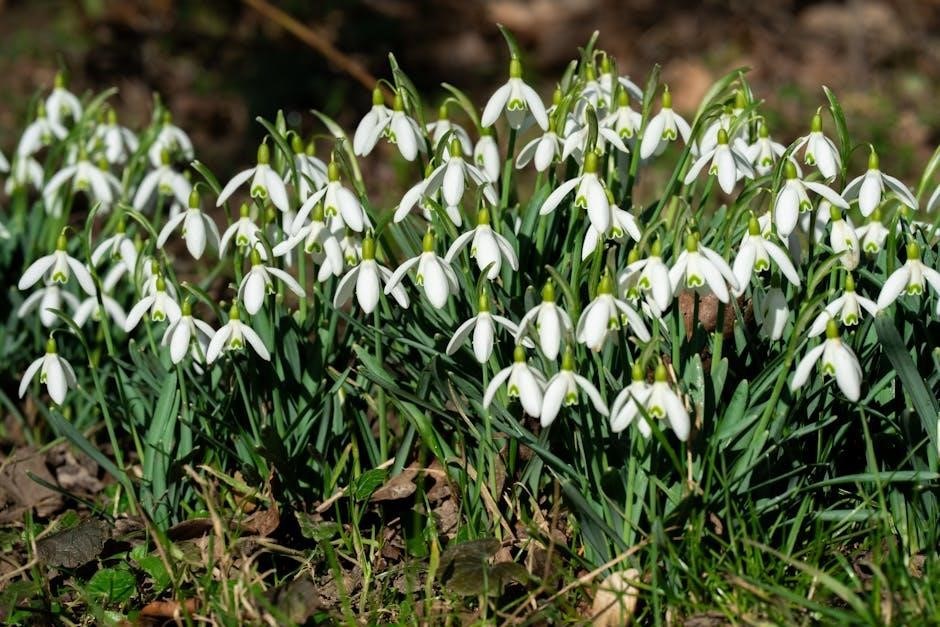
The first signs of spring often emerge from bulbs that bloom early in the season. Crocus are among the very first, bravely pushing through potentially cold ground, displaying cheerful colors like purple, yellow, and white. Snowdrops, though not always widely planted, also appear very early. These delicate white blooms signal winter’s end.
Identifying these early bloomers relies on observing their distinct leaf shapes and flower structures. Crocus have grass-like leaves, while snowdrops exhibit narrow, linear foliage. Recognizing these characteristics, alongside the timing of their appearance, is key to successful identification. These early flowers provide a welcome burst of color after the long winter months.
Mid-Spring Bloomers
As the weather warms, a second wave of bulb flowers emerges, bringing a vibrant display of color. Tulips and daffodils dominate this mid-spring period, offering a wide range of varieties and hues. Hyacinths also join the show, captivating gardeners with their fragrant flower clusters. Identifying these blooms requires attention to leaf shape and flower characteristics.
Tulips boast broad, linear leaves, while daffodils exhibit grass-like foliage. Hyacinths present dense clusters of bell-shaped flowers. Observing these features, combined with the timing of their bloom, aids in accurate identification. These mid-spring bloomers create a stunning spectacle in gardens and landscapes.
Late Spring Bloomers
As the peak of spring passes, certain bulb flowers extend the season’s beauty into late spring. Alliums, with their globe-shaped flower heads, and Puschkinia, a subtle yet charming bloom, grace gardens during this time. These later bloomers often offer unique characteristics that distinguish them from earlier spring varieties.
Puschkinia, for example, features delicate, pale blue flowers and grass-like leaves. Alliums come in various sizes and colors, adding architectural interest. Careful observation of leaf shape, flower structure, and bloom timing is crucial for accurate identification of these late-spring treasures, ensuring continued enjoyment of floral displays.
Resources for Bulb Flower Identification
Numerous tools aid in bulb identification! Explore online plant databases, consult gardening books, or visit local botanical gardens for expert assistance and accurate results.
Online Plant Identification Tools
The digital age offers fantastic resources for identifying bulb flowers! Several websites and apps utilize image recognition technology, allowing users to upload photos of unknown blooms and leaves for potential matches. Garden.org’s Plant ID forum is a valuable community space where enthusiasts share knowledge and assist with identifications.
These tools often provide detailed descriptions, photos, and growing information, streamlining the process; However, remember that accuracy can vary, and cross-referencing with other sources is always recommended. Utilizing multiple platforms increases the likelihood of a correct identification, especially when dealing with subtle differences between similar species.
Gardening Books and Guides
Traditional gardening literature remains an invaluable resource for bulb flower identification. Comprehensive guides often feature detailed illustrations and descriptions, covering a wide range of species and cultivars. These books typically categorize bulbs by bloom time, color, and leaf characteristics, aiding in systematic identification.
Look for regional guides tailored to your specific climate, as this will narrow down the possibilities. Experienced gardeners often rely on these trusted sources, appreciating the depth of knowledge and curated information they provide, complementing online tools for a well-rounded approach.
Local Botanical Gardens and Experts
Leveraging local expertise can significantly enhance your bulb flower identification skills. Botanical gardens frequently showcase diverse bulb collections, providing opportunities for firsthand observation and comparison. Attending guided tours or workshops led by horticulturalists offers valuable insights into plant characteristics and identification techniques.
Don’t hesitate to consult with local gardening clubs or master gardeners; their practical experience can be incredibly helpful. These resources offer personalized assistance and can address specific challenges encountered in your garden, fostering a deeper understanding.