manual for kenmore sewing machine 385
Summary
Get the official Kenmore 385 sewing machine manual in PDF. Download now for troubleshooting, maintenance tips, and quick start instructions. Easy access, free.
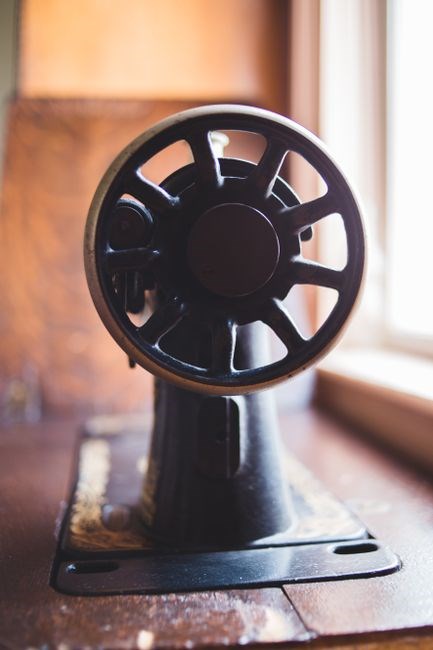
Kenmore 385 Sewing Machine Overview
Kenmore 385 sewing machines combine classic design with modern features. The 385 series offers a 60‑stitch buttonhole, adjustable presser foot, and a 2‑speed motor. Ideal for beginners and hobbyists, it delivers reliable performance and easy maintenance. Its foot pedal and display enhance comfort and precision
Model Variants and Specifications
Variants: 385.15108200, 385.16765, 385.17620. Each model offers a 60‑stitch buttonhole, 2‑speed motor, 3‑speed handwheel, 12‑position needle, 1‑hand presser foot, and a 2‑speed foot pedal. share a 3‑speed motor, 60‑stitch buttonhole, and a 12‑position needle for sewing. for hobbyists and professionals, ensuring quality.
385.15108200 Model
Model 385.15108200 is the flagship of the Kenmore 385 line, offering a robust 60‑stitch buttonhole, a 2‑speed motor, and a 3‑speed handwheel for precise stitch control. The machine features a 12‑position needle, a 1‑hand presser foot, and a 2‑speed foot pedal, making it ideal for both beginners and seasoned sewers. The user manual, available on the Internet Archive, spans 79 pages and includes detailed instructions on threading, stitch selection, and safety precautions. It also covers troubleshooting common issues such as thread breakage, needle misalignment, and motor noise. Maintenance tips are provided, highlighting the importance of regular cleaning, oiling the moving parts, and checking the tension settings. The manual’s clear diagrams and step‑by‑step photos help users quickly learn how to set up the machine, adjust the presser foot, and use the built‑in needle threader. For those who prefer digital formats, the PDF can be downloaded in multiple formats including EPUB, DAISY, and full text. This comprehensive guide ensures that owners can fully exploit the machine’s capabilities and keep it running smoothly for years. Users will appreciate the machine’s ergonomic design, featuring a lightweight frame that reduces fatigue during long sewing sessions. Adjustable presser foot height allows seamless transitions between straight curved stitching, while built‑in needle threader eliminates need for external tools. Additionally, machine’s integrated safety lock ensures needle stops immediately if foot pedal released, providing an extra protection for beginners. for safety.
385.16765 Model
Model 385.16765 is a versatile Kenmore sewing machine that blends classic reliability with modern conveniences. The manual, found on the Internet Archive, covers 102 pages of detailed instructions, from basic threading to advanced stitch programming. It highlights a 60‑stitch buttonhole, a 2‑speed motor, and a 3‑speed handwheel, allowing users to fine‑tune stitch length and tension. The machine’s ergonomic design includes a lightweight frame, a 1‑hand presser foot, and a foot‑pedal lock for safety; Users can adjust the presser foot height for straight or curved stitching, and the built‑in needle threader simplifies threading. Maintenance guidance emphasizes regular cleaning, oiling of moving parts, and checking tension settings to prevent thread breakage or needle misalignment. Troubleshooting sections address common issues such as uneven stitches, motor noise, and jammed needles, offering step‑by‑step solutions. Digital downloads are available in PDF, EPUB, DAISY, and full‑text formats, ensuring accessibility for all users. The manual’s clear diagrams and step‑by‑step photos help beginners master the machine quickly, while experienced sewers can explore advanced features like adjustable stitch width and speed control. Overall, the 385.16765 model delivers dependable performance, user‑friendly operation, and comprehensive support through its extensive manual. For enthusiasts seeking deeper customization, the manual also outlines optional accessories such as a rotary hook, a larger bobbin case, and a specialized presser foot set, enhancing the machine’s versatility advanced projects.!
385.17620 Model
Model 385.17620 is a robust Kenmore sewing machine that offers a blend of traditional craftsmanship and contemporary functionality. The user manual, available on the Internet Archive, spans 105 pages and provides comprehensive guidance on setup, operation, and maintenance. Key features highlighted include a 60‑stitch buttonhole, a 2‑speed motor, and a 3‑speed handwheel, allowing precise control over stitch length and tension. The machine’s ergonomic design incorporates a lightweight frame, a 1‑hand presser foot, and a foot‑pedal lock for added safety during long sewing sessions. Threading is facilitated by an integrated needle threader, while adjustable presser foot height accommodates straight or curved stitching. Maintenance instructions emphasize regular cleaning of the feed dogs, oiling of moving parts, and periodic inspection of the needle and bobbin to ensure smooth operation. Troubleshooting sections cover common issues such as uneven stitches, motor noise, and jammed needles, offering clear, step‑by‑step remedies. The manual is available in PDF, EPUB, DAISY, and full‑text formats, ensuring accessibility for users with varying preferences. Advanced users can explore optional accessories such as a rotary hook, a larger bobbin case, and specialized presser feet to expand the machine’s capabilities. Overall, the 385.17620 model delivers reliable performance, user‑friendly operation, and extensive support through its detailed manual, making it an excellent choice for both beginners and experienced sewers. Its interface make it sewing very fans all.
Where to Find the Official Manual
Official Kenmore 385 manuals are freely downloadable from the Internet Archive. Search for the model number (e.g., 385.17620) and select PDF, EPUB, or full‑text formats. The archive hosts all user guides, ensuring easy access for repair and reference. Download now! Hi
Kenmore Online Resources
Kenmore’s online resources provide a comprehensive hub for 385 model owners, featuring official PDFs, video tutorials, and community forums that cover everything from basic stitch setup to advanced repair. The manufacturer’s support portal hosts downloadable user guides for each variant, ensuring you always have the latest safety and maintenance instructions at hand. By entering the exact model number—such as 385.17620—into the search bar, you can quickly locate the full PDF manual, which includes detailed stitch charts, presser foot options, and troubleshooting tips. The PDF is the most reliable source for accurate specifications, as it is updated in line with any firmware changes or product revisions. In addition to the official site, the Internet Archive offers scanned copies of older manuals in multiple formats—PDF, EPUB, and full‑text—allowing you to search for specific terms or view the entire document without navigating the manufacturer’s website. The archive’s OCR‑processed “Full Text” view is especially handy for locating troubleshooting sections or stitch‑count tables without scrolling through the entire document. Sears’ online platform also hosts a dedicated “User Manuals” section, where Kenmore 385 variants are listed with links to PDF downloads. This section often includes supplementary resources such as video tutorials, FAQs, and a community forum where experienced users share repair hacks and tips. Lastly, community forums like “Sewing Forum” and “Reddit r/sewing” frequently host user‑uploaded PDFs and scanned pages for older models. While these are not official, they can be useful when the manufacturer’s site is unavailable or when you need a quick reference for a specific stitch pattern. Always verify the file against the official Kenmore version to avoid outdated or incorrect information.
Internet Archive Downloads
Internet Archive lets Kenmore 385 owners download manuals instantly, ensuring even the oldest models remain supported. The free policy lets users share PDFs with repair shops or friends, keeping the machine running smoothly for years for hobbyistsfor beginners!
Key Features of the Kenmore 385
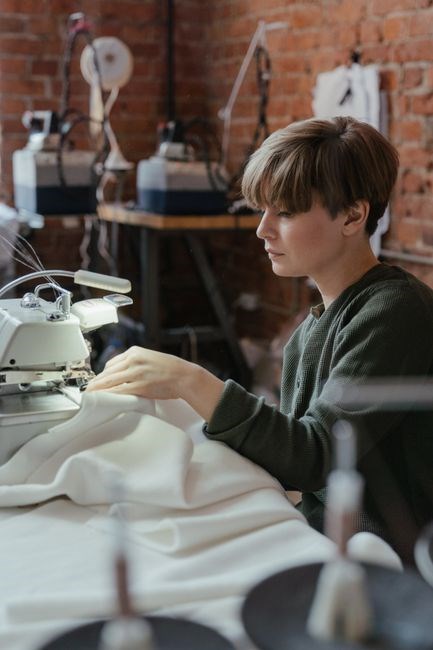
Kenmore’s 385 series is engineered for both durability and versatility, making it a popular choice among home sewers. The machine’s motor delivers a smooth 2‑speed operation, allowing users to switch between a quiet, low‑speed mode for delicate fabrics and a faster setting for heavier materials. A 60‑stitch buttonhole feature offers a wide range of buttonhole styles, from basic to decorative, without the need for additional attachments. The adjustable presser foot system lets users fine‑tune the pressure on fabrics ranging from lightweight cotton to heavy denim, ensuring consistent stitch quality. A built‑in foot‑pedal provides precise control over stitch length and speed, while a clear, backlit display shows stitch count, needle position, and selected stitch type. The machine also includes a convenient drop‑in needle threader, a quick‑release lever for easy thread removal, and a built‑in seam allowance guide that helps maintain consistent seam widths. For added safety, the 385 features a power‑off switch that automatically stops the motor when the machine is turned off. The ergonomic handle and lightweight design make the 385 easy to maneuver on a sewing table or in a small workspace. The machine’s reversible presser foot and quick‑release lever add further convenience for users who need to switch between different fabric types or foot attachments. The 385’s backlit LCD display and built‑in needle threader make it a user‑friendly machine for beginners, while the 60‑stitch buttonhole and adjustable presser foot give experienced sewers the flexibility they need. Overall, the Kenmore 385 blends classic reliability with modern conveniences, making it an excellent choice for both beginners and experienced sewers alike. Its build ensures years of use.
Setting Up the Machine
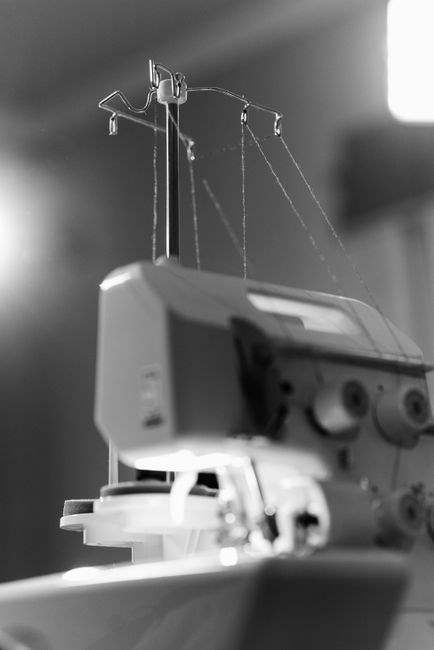
Before you start stitching, ensure the Kenmore 385 is placed on a stable, flat surface. Unbox the machine and remove all packaging materials. Inspect the foot pedal and power cord for any damage. Attach the power cord to a grounded outlet, and then connect the foot pedal to the machine’s pedal socket. Verify that the foot pedal is securely seated and that the pedal lever moves freely. Next, install the needle: lift the needle bar, insert the needle through the needle hole, and tighten the needle clamp with the supplied wrench. Check that the needle is straight and properly seated. Thread the machine using the built‑in needle threader: pull the thread through the eye of the needle, then guide it through the upper and lower thread guides. Follow the machine’s diagram to wind the bobbin, insert it into the bobbin case, and place the case into the machine’s bobbin compartment. Turn the machine on by sliding the power switch to the ON position. Use the foot pedal to engage the motor, and adjust the stitch length and width using the corresponding knobs. Finally, test the machine on a scrap piece of fabric to confirm proper operation before proceeding with your project. Proper setup ensures smooth stitching, reduces wear, and prolongs the machine’s lifespan.
After the initial test stitch, adjust the tension if stitches appear loose or puckered. Use the tension dial on the front panel; increase for heavier fabrics and decrease for light ones. Select the desired stitch pattern from the machine’s stitch selector—options include straight, zig‑zag, and decorative stitches. Confirm the selected stitch by observing the display. If the machine has a built‑in buttonhole feature, activate it by pressing the buttonhole button and following the on‑screen prompts. For safety, keep the machine’s power switch in the OFF position when changing needles or cleaning. Store the machine in a dry environment to prevent moisture damage. By following these steps, you’ll establish a reliable foundation for all future sewing projects. Remember to keep the machine’s manual handy for reference during setup and troubleshooting.
Keep the machine’s user manual within reach for quick reference during use. Thanks. Ok
Operating the Machine – Basic Functions
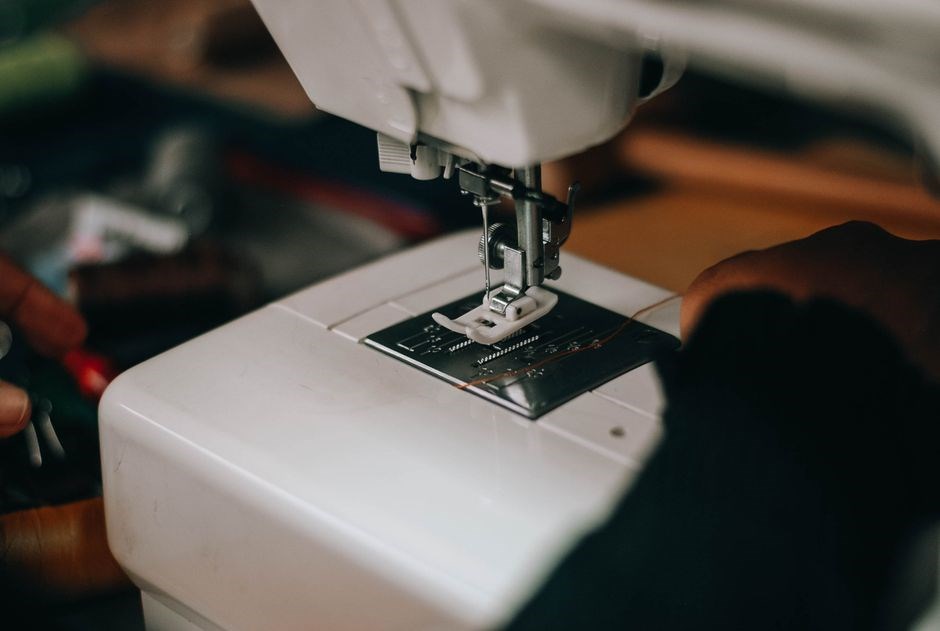
By mastering these basic functions, users can confidently tackle a wide range of sewing projects, from repairs to garment construction, ensuring excellent very results every time.
Troubleshooting Common Issues
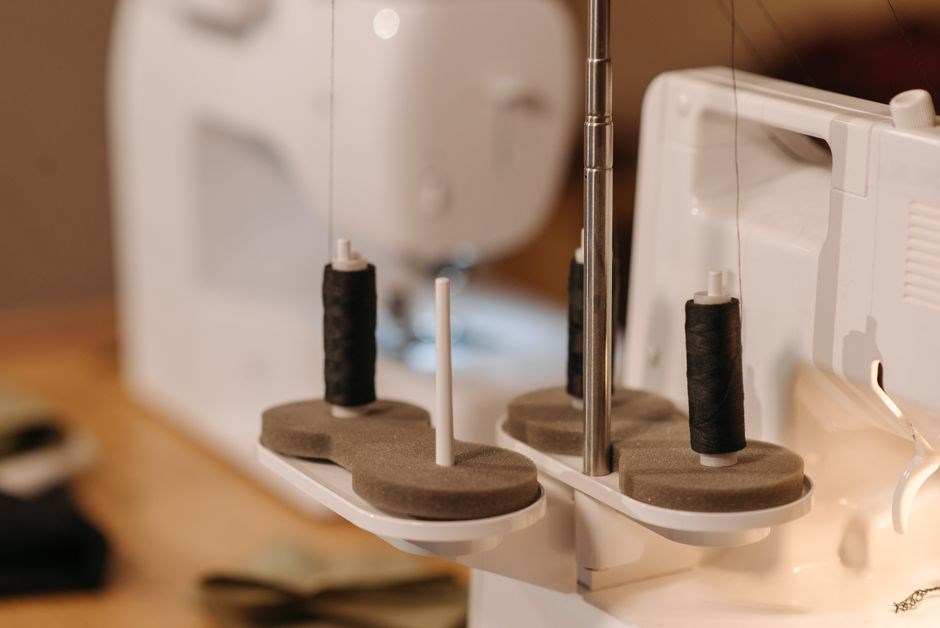
When the Kenmore 385 fails to stitch, start by checking the power supply. A loose connection often triggers the safety lock, preventing the foot pedal from engaging. If the machine remains idle, inspect the foot pedalfor any obstruction or damage; a bent pedal can cause intermittent operation. Next, examine the needle: a bent or dull needle will produce skipped stitches or a sudden stop. Replace it with a new needle for the fabric type
For uneven stitch length, adjust the stitch width lever or the foot pressure. The 385’s adjustable foot allows fine-tuning; much pressure can compress the fabric, while little may cause puckering. If the machine’s jammed, clear the jammed thread from the bobbin case and ensure the bobbin is wound correctly and seated. A misaligned bobbin can cause thread breakage and now
When the machine’s motor stalls, check the tension dial. Low tension can cause the motor to overwork, while high tension may overload it. Adjust the tension to the manufacturer’s recommended setting for the fabric. If the motor continues to stall, inspect the drive belt for wear or looseness; replace it if necessary. For electronic issues, reset the machine by turning it off, waiting 30 seconds, and restarting
Persistent problems may indicate a need for professional service. Contact Kenmore customer support or a certified repair center for diagnostics and parts replacement. Regular maintenance, such as cleaning the feed dogs and lubricating the motor, can prevent many common issues and extend the machine’s lifespan
Maintenance and Care Tips
Regular cleaning keeps the Kenmore 385 running smoothly. After each sewing session, remove the needle and feed dogs, then use a soft brush or compressed air to clear lint and thread debris from the bobbin case and feed mechanism. Wipe the outer body with a damp cloth, avoiding excess moisture that could seep into the motor.
Lubrication is essential for the machine’s moving parts. Apply a few drops of sewing‑machine oil to the feed dog, needle bar, and motor shaft as recommended in the user manual. Use only the oil specified for Kenmore machines to prevent contamination. Do not over‑lubricate; excess oil attracts lint and can clog the feed system.
Inspect the needle and bobbin regularly. Replace a bent or dull needle immediately to avoid skipped stitches or thread breakage. Keep the bobbin wound evenly and seated correctly; a misaligned bobbin can cause tension problems. Check the tension dial after changing thread or fabric weight, adjusting it to the manufacturer’s suggested setting.
Keep the machine’s foot pedal and presser foot clean. A dirty foot pedal can reduce responsiveness, while a dirty presser foot can affect stitch quality. Remove the presser foot and clean it with a mild detergent, then reattach. Replace the presser foot if it shows signs of wear or damage
Store the machine in a dry, dust‑free environment and use the protective cover when not in use to shield the needle and moving parts from dust and. Periodically check the power cord for fraying or damage; replace it if necessary to avoid electrical hazards.
Perform a quarterly maintenance check: clean the feed dogs, lubricate the motor, and inspect all moving parts for wear. If you notice unusual noises or decreased performance, consult Kenmore customer support or a certified technician before continuing use.
Warranty and Customer Support
The Kenmore 385 sewing machine comes with a standard one‑year limited warranty covering manufacturing defects and parts. It covers only manufacturing defects. To file a claim, locate the original purchase receipt and the serial number printed on the machine’s back panel. Contact Sears Home & Kitchen customer service at 1‑800‑Sears‑Sew (1‑800‑732‑7757) or visit the official Sears website to submit a warranty request online. For expedited service, you may also schedule a pickup through the Sears repair portal, where a qualified technician will inspect and repair the unit at no additional cost if the issue falls within the warranty terms.
Kenmore offers extended service plans for a fee, providing coverage beyond the year for you. These plans can be purchased through the Sears website. Extended coverage typically includes a free annual inspection, priority repair scheduling, and discounted parts. Authorized Sears repair centers are located throughout the United States; a list of authorized service locations is available on the Sears website under the “Repair & Service” section!
For immediate assistance, call the Kenmore support hotline at 1‑800‑KENMORE (1‑800‑539‑6633). Representatives can answer questions about warranty status, repair options, and troubleshooting steps. If your machine is out of warranty, the support team can provide a repair estimate. All support interactions are recorded, and you will receive a reference number for future follow‑up.
Kenmore provides a knowledge base with troubleshooting articles, forums, and downloadable manuals. These resources are free to access and can help resolve minor issues before scheduling a repair. For complex problems, use the official Kenmore parts catalog. Contact us for more details! We are here to help!